
How Data-Driven Decisions Are Revolutionising Australia's Logistics Industry

Data-Driven Transformation
Leveraging Big Data Analytics
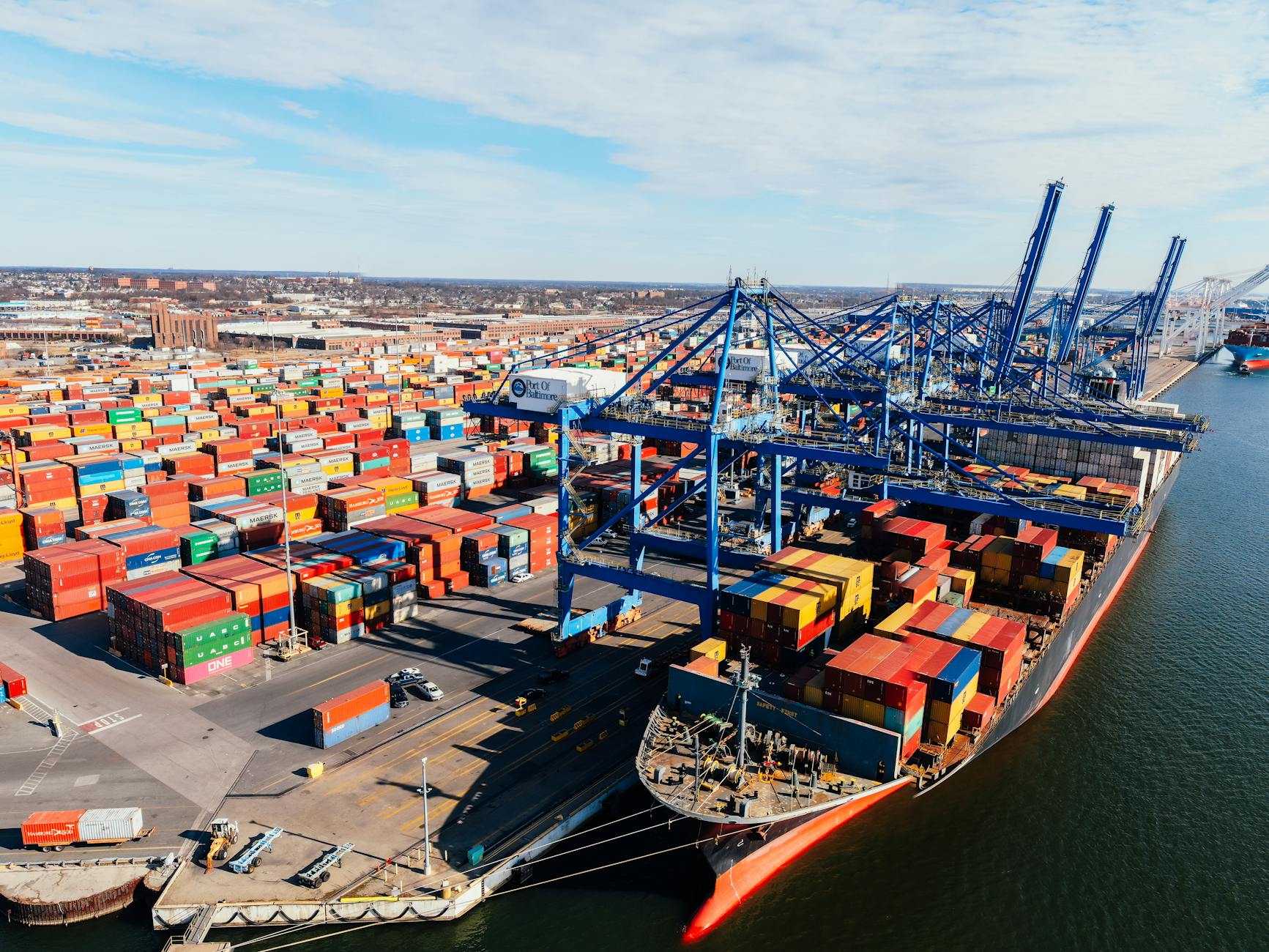
As we delve into the transformative power of big data analytics in ecommerce logistics, Brisbane Airport stands as a beacon of innovation, serving as a logistics hub that efficiently processes vast amounts of data daily. This capability significantly enhances analytical precision in logistics operations. For example, using big data allows e-commerce businesses to analyse purchasing patterns and seasonal trends, empowering them to forecast demand more accurately.
Beyond simple predictions, data analytics enables companies to sync inventory levels with projected sales, thus reducing wastage and improving stock management. This is particularly crucial for e-commerce platforms striving to maintain sustainable practices while managing costs efficiently. Consider the strategic uses of data analytics in optimising delivery schedules, streamlining operational workflows, and differentiating customer needs.
Data-driven insights contribute to strategic decisions involving warehouse placements and transportation networks, all leading to a reduction in carbon footprints. It's about achieving a refined logistical approach where sustainability meets efficiency.
Real-Time Tracking Advancements
The introduction of real-time tracking systems revolutionises logistics. Platforms now offer customers the ability to track their shipments precisely, resulting in enhanced transparency and improved customer satisfaction. Real-time tracking is integral to reducing delivery times and streamlining distribution processes.
Such systems empower businesses to make timely interventions in case of logistical bottlenecks, guaranteeing speedy resolutions. Moreover, these advancements grant businesses a competitive edge by reducing uncertainties associated with shipping delays.
Predictive Analytics in Logistics
Predictive analytics has brought a proactive element to ecommerce logistics. Businesses are increasingly relying on these analytics to anticipate disruptive events in the supply chain, thereby ensuring the uninterrupted movement of goods. By predicting potential hurdles such as traffic congestion or extreme weather conditions, logistics operators can mitigate risks effectively.
These tools cultivate a comprehensive understanding of future demands, driving sustainable logistics strategies. Ultimately, predictive analytics revolutionises logistics management in an eco-friendly manner, aligning with Marcus Nguyen's vision of reducing his company's environmental footprint.
Sustainability and Efficiency
Reducing Carbon Footprints
In the bustling logistics hub of Brisbane Airport, the focus on reducing carbon footprints has become a priority for many businesses. For entrepreneurs like Marcus, striving to make a dent in environmental conservation, selecting third party logistics providers that prioritise eco-friendly practices is essential. This involves evaluating their carbon emissions and commitment to sustainability.
Optimising Transportation Routes
Streamlining transportation is not just about cutting costs; it greatly impacts sustainability. Implementing route optimisation technologies helps reduce fuel consumption and emissions. With the advanced business analytics community at South Bank, there's potential to leverage data-driven insights to improve these processes. For a company aiming to achieve eco-friendliness, efficient route planning translates into a significant decrease in the carbon footprint.
Eco-Friendly Warehousing Solutions
Beyond transportation, warehousing is an area ripe for innovation. In the sustainable revolution, eco-friendly warehousing involves using energy-efficient lighting, solar panels, and sustainable materials in construction and maintenance. The creative atmosphere at Fish Lane could inspire new ideas for integrating these elements into logistics systems. Selecting warehouses that commit to these sustainable practices can align with Marcus’s passion for sustainability, ensuring that his business model remains both viable and environmentally conscious.
Optimising for Future Success
Embracing AI for Strategic Decisions
In our resource-rich logistics environment, one of the most transformative actions is to integrate AI implementation in logistics for optimising decision-making processes. By harnessing AI, we can enhance operational efficiencies right here at the logistics hub of Brisbane Airport. AI-driven systems predict demand fluctuations and streamline supply chain management, mitigating risks in real-time. From managing inventories to routing solutions, AI holds the potential to revolutionise the way we operate, providing insights unattainable through traditional methods.
Teaming Up with Eco-Conscious Collaborators
Partnering with businesses that share a commitment to sustainability is essential. Collaborations with companies focusing on reducing environmental impacts not only enhance operational efficiency but also meet consumer demand for responsible practices. Within the vibrant Fish Lane precinct, firms are setting benchmarks by integrating sustainable practices across their supply chains. These partnerships facilitate the development of eco-friendly warehousing solutions by sharing best practices and resources. Together, we can significantly reduce carbon footprints and optimise logistics processes.
Encouraging a Cycle of Feedback and Development
Establishing continuous improvement systems is crucial for staying competitive in the volatile logistics sector. By fostering a culture of feedback alongside the business analytics community at South Bank, we're cultivating a dynamic environment for growth and improvement. Engaging in regular feedback loops allows organisations to identify pain points swiftly and adapt to evolving market demands. The focus should be on utilising data insights for strategic growth, further reinforced by collaboration between logistics partners and stakeholders. Strategically navigating these best practices will poise us for sustained success in the ever-evolving logistics landscape.